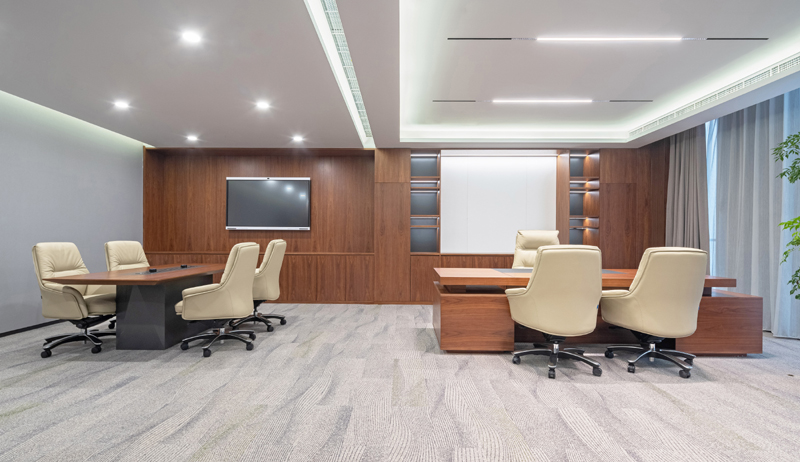

In modern enterprises, the conference room is not only a space for discussion and decision-making, but also an important place to reflect the company's culture and values. As the core element of the conference room, the design concept of large-sized conference tables cannot be ignored. A successful conference table design should not only meet functional requirements, but also consider aesthetics and comfort, providing an efficient and enjoyable communication environment for attendees.
Prioritize functionality to meet diverse needs
The primary design concept for large-sized conference tables is functionality. With the expansion of team size and the diversification of meeting formats, conference tables need to have flexibility and adaptability. When building a desktop, designers should consider incorporating movable chairs, dividing areas, and arranging routes to meet meeting needs of different scales and forms. In addition, the design of built-in power sockets and data interfaces can greatly enhance the technological sense and convenience of the conference, ensuring that attendees can efficiently use electronic devices during the conference process.
The combination of aesthetics and brand image
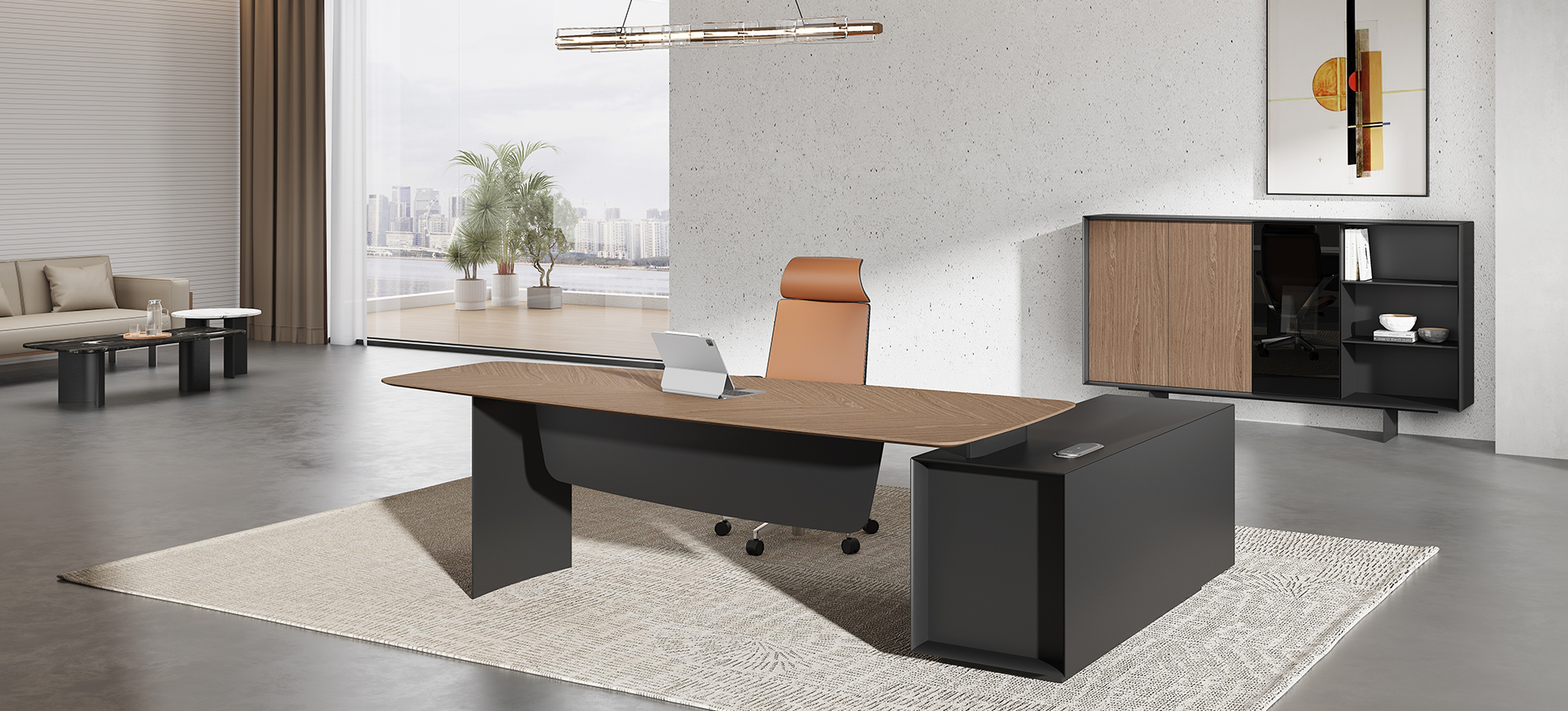
The conference room is not only a workplace, but also a window for showcasing the company's image. The appearance design of large-sized conference tables should be coordinated with the overall image of the company and reflect the brand value of the company. Whether it is a simple and modern style or a classic and elegant design, the material, shape, and color of the conference table should be integrated with the overall atmosphere of the conference room. Using high-quality materials such as natural wood, glass, or metal can enhance the sense of grade in the space and increase visual appeal, leaving a deep impression on attendees.
Consideration of Comfort and Humanization
In addition to functionality and aesthetics, the design of large-sized conference tables also needs to focus on the comfort experience of attendees. Humanized design considerations include the height, shape, and interactivity of the desktop with attendees. The streamlined design of the table corners can effectively reduce collisions, and circular or elliptical tabletops can also promote communication between people. A comfortable seat paired with a conference table height that matches it can minimize fatigue during meetings, increase discussion enthusiasm and participation. In addition, a reasonable arrangement of desktop space can make every participant feel fair and respected.
The integration of creativity and technology
With the continuous development of technology, the design of conference rooms is also constantly innovating. Large conference tables can incorporate modern technological elements, and designers can explore new technologies such as wireless charging, integrated projection devices, and intelligent conference systems to make meetings more efficient and intelligent. In the design process, utilizing technology to improve the conference experience not only enhances the efficiency of the conference, but also allows attendees to feel the company's pursuit and emphasis on technological innovation.
Conclusion
A large-sized conference table is not only a piece of furniture in a conference room, but also a tool for communication and decision-making. It carries the concept of corporate culture, brand image, and teamwork. In the design process, balancing functionality, aesthetics, comfort, and technology can enable the conference table to truly play its core role, providing an efficient and enjoyable environment for strategic decision-making and team collaboration in the enterprise. Only in this way can the conference table become the core driving force for work in every meeting.