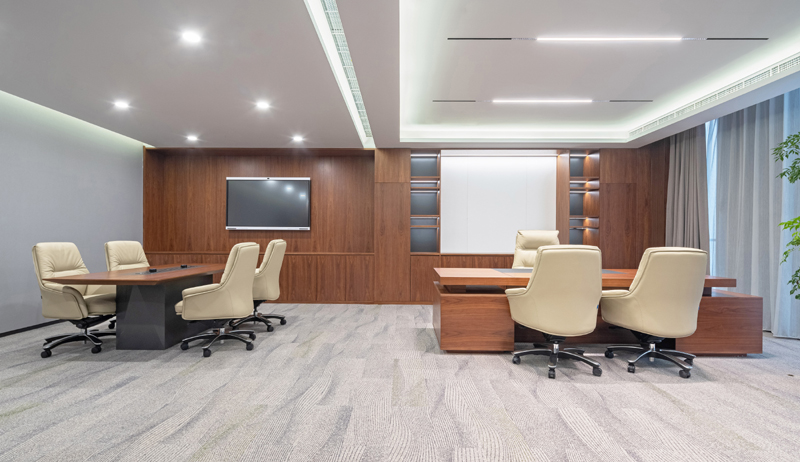

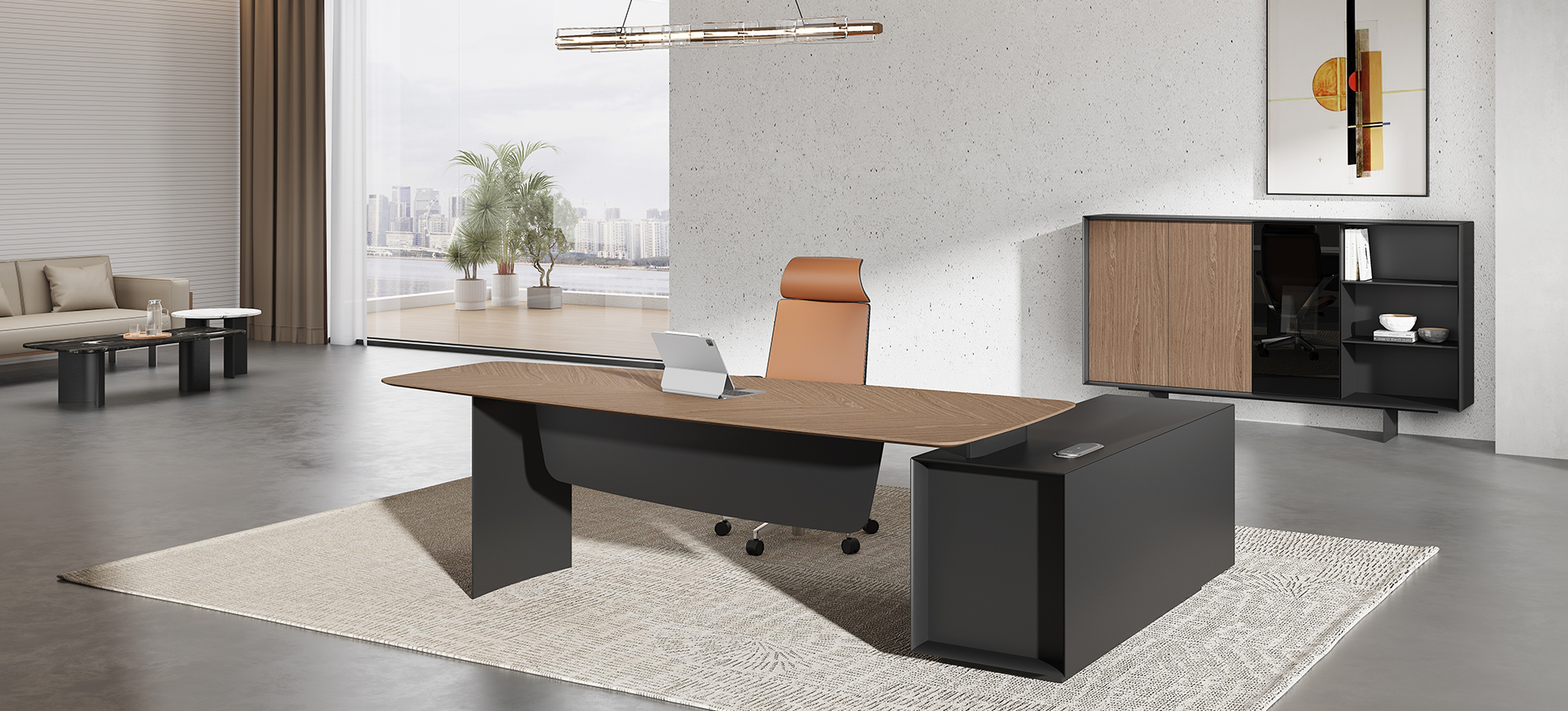
An Italian style CEO desk brings a streamlined, design-led silhouette to an executive office suite, with clean lines, considered proportions, and a mix of quality materials chosen for a private leadership workspace. The desk typically pairs a wood, stone, or leather-look top with a structured base, and can be configured with storage, returns, and side pieces to fit the room. This article describes the design language of an Italian-style executive desk, its materials and silhouette, workspace layout, room sizing, coordination with suite furniture, and everyday care points.
Design language of an Italian-style executive desk
An Italian style CEO desk is defined by its clean, architectural silhouette. The design tends to favor straight lines, balanced proportions, and a restrained profile, with details such as slim legs, a tidy edge, and a smooth work surface. Rather than ornate carving or heavy ornament, the look relies on material pairing and proportion to carry the desk's appearance. This design language fits executive suites that want a modern, considered office environment, where the desk reads as a deliberate piece of furniture within the room.
The silhouette usually centers on a broad top set over a stable base, with open space underneath for knee room and chair movement. Side panels, drawer stacks, or a modesty panel can be integrated into the design without breaking the clean outline. The overall impression is composed and uncluttered, which suits a leadership office used for focused work and short meetings with visitors. When choosing this style of desk, the room's existing interior finishes are considered alongside the desk's lines and materials.
Materials and surface options
Italian-style CEO desks can be topped with wood, sintered stone, marble-look stone, or a leather inlay, depending on the suite's palette. Wood tops offer warm grain tones that pair with paneled walls, stone tops bring a flat neutral surface, and leather inlays add a traditional writing feel. The base can be steel with a powder-coated finish, a wood panel structure, or a combination of the two. Material choices are made to create contrast or harmony between the top and base, keeping the desk visually light and well balanced.
Surface finishes range from matte to honed, with glare considered under the suite's lighting. Edge treatments are kept simple, following the clean design language, and any handles or hardware use a coordinated metal tone. The material chosen should also fit the room's daily use: a surface that wipes down easily for regular office work, paired with a base that stands steady through repeated seating. Color options repeat the neutral palette common in executive interiors, allowing the desk to fit with credenzas, guest chairs, and wall finishes already planned for the suite.
Workspace layout at the desk
The workspace around a CEO desk divides into the writing area, device space, and storage reach. The center of the top holds the laptop or writing materials, with side space for documents, a lamp, and small organizers. Drawer pedestals or side cabinets sit within arm's reach for files and supplies, and a return side table can extend the work surface if the suite needs extra room. Cable routing uses top grommets and under-desk channels to keep the work surface free of loose wires.
Beyond the immediate desk, the suite layout usually includes guest seating in front of the desk, with space for short conversations, and any side storage kept on a free wall. The desk position should allow the seated person to face the room entry, with clear access to the chair and walking paths. A well-planned layout keeps the work zone efficient while leaving enough room for visitors to sit and move without crowding the desk area.
Room sizing and proportions
Fitting a CEO desk into an executive suite starts with the clear room measurements. The desk should leave walking space on the sides and behind for chair pull-out, with enough open floor area in front for guest seating. Larger suites can accommodate an oversized desk with a return, while smaller rooms use a more compact executive model. Door widths and the route into the suite are checked before the desk is produced, since a leadership desk often carries a substantial top and body.
Proportion matters as much as size. A broad desk top should be matched to a room with enough wall space behind it, and the desk's height should align with the executive task chair. If the suite includes a credenza, bookshelf, or guest sofa, those pieces should be mapped alongside the desk so the whole room keeps a balanced layout. The goal is a desk that feels generous without overwhelming the suite, leaving the room open for both work and meetings.
Coordination with suite furniture
An Italian-style desk coordinates with the other pieces in the executive suite. Wood-toned desk bodies match nearby credenzas and bookcases, metal bases repeat the room's hardware finishes, and neutral tops work with carpet and wall paneling. Guest chairs can echo the desk's material mix, using fabric or leather-look upholstery that complements the top. Lighting above or beside the desk should suit the surface finish, with matte tops reflecting less glare under ceiling fixtures.
Color planning follows the suite's largest surfaces first: walls, carpet, and main storage pieces. The desk can introduce a mild contrast through its base or inlay color, while staying within the established palette. Hardware such as drawer handles and leg caps should repeat the finishes used elsewhere in the room. When materials and tones are coordinated, the suite reads as a planned interior, with the CEO desk as its central working piece.
Care and configuration
Configuration for an Italian-style CEO desk covers the top material and tone, base style and finish, drawer or return options, edge profile, and any cable features. The desk height is matched to the task chair, and the overall dimensions are checked against the suite's doors and aisles before production. Finish options can be selected to echo the wood and metal elements already present in the executive interior.
Routine care depends on the chosen top material: stone and glass surfaces wipe with a soft cloth and suitable cleaner, wood tops use a wood-safe cleaner, and leather inlays are kept clean with gentle blotting. Dust the base frame and legs regularly, and check adjustable feet to keep the desk level on carpet. Chairs are moved with clearance to avoid knocking the body, and items on the top are lifted rather than dragged. With straightforward upkeep, the desk maintains its clean silhouette and surface appearance through regular executive office use.
Details That Complete an Executive Suite
An executive suite usually includes more than the desk alone. Guest seating, a side credenza, low storage, and possibly a meeting area around the desk all share the room, and each piece should align with the desk's design language. Slim-line legs, plain panel fronts, and neutral finishes repeat across the furniture so the suite reads as a coordinated set rather than separate purchases. The desk remains the central piece, with surrounding furniture chosen to support work and short meetings without adding visual clutter.
Lighting in the suite should serve both the work surface and the room overall. A task lamp beside the desk handles close-range work, while ceiling fixtures or wall sconces provide general light across the office. The desk top finish is chosen with reflection in mind, so screens and notes remain readable under the room's lighting. Window light should be considered too, especially if the desk faces a strong daylight direction that may create glare on devices.
Storage planning for a leadership office groups files, reference materials, and daily supplies where they are easiest to reach. Drawers in the desk hold small items, a credenza stores larger files, and open shelves display reference books or selected office pieces. Cable connections for the laptop and desk devices use grommets and under-desk channels to keep the surface tidy. When the desk, seating, storage, and lighting are planned together, the executive suite supports both focused work and visits while keeping a clean, considered interior.
Daily Workflow at the Desk
An executive suite desk arranges around the leadership daily routine. The center top holds the laptop and main working papers, one side keeps reference materials and a task lamp, and drawers or side storage hold files and stationery within arm's reach. Any secondary device or printer can sit on a return or nearby credenza, keeping the main surface uncluttered. Cable connections for devices route through grommets and under-desk channels, so the work area stays free of loose wires.
The surrounding suite should support both focused work and visits. Guest chairs sit in front of the desk with clear walking space, while side cabinetry and open shelving occupy free walls without blocking the entry route. Lighting combines general room fixtures with a task light at the desk, chosen to avoid glare on screens and notes. The desk's materials and finishes repeat across the suite furniture so the office reads as a coordinated set. When the workstation and the room layout are planned together, the CEO desk supports daily executive work while keeping a clean, composed interior.
FAQ
Q: What defines an Italian style CEO desk?
A: It carries a streamlined, architectural silhouette with clean lines, balanced proportions, and paired materials such as wood or stone tops with structured bases, suited to a modern executive suite.
Q: Which materials are used for this desk?
A: Tops can be wood, sintered stone, marble-look stone, or leather inlay, while bases may be steel, wood panel, or a combination. Finishes are chosen to balance the top and base visually.
Q: How should a CEO desk be sized for an office suite?
A: Measure the clear room dimensions, reserve space for chair pull-out and guest seating, match desk height to the task chair, and confirm door and corridor widths before production.