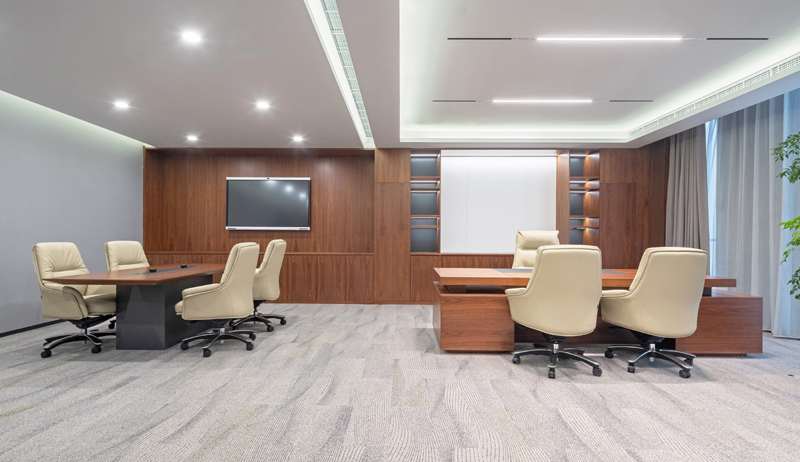

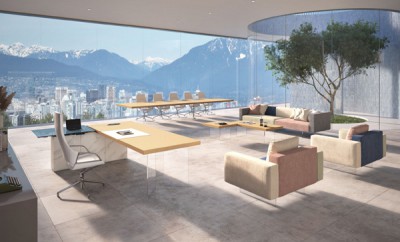
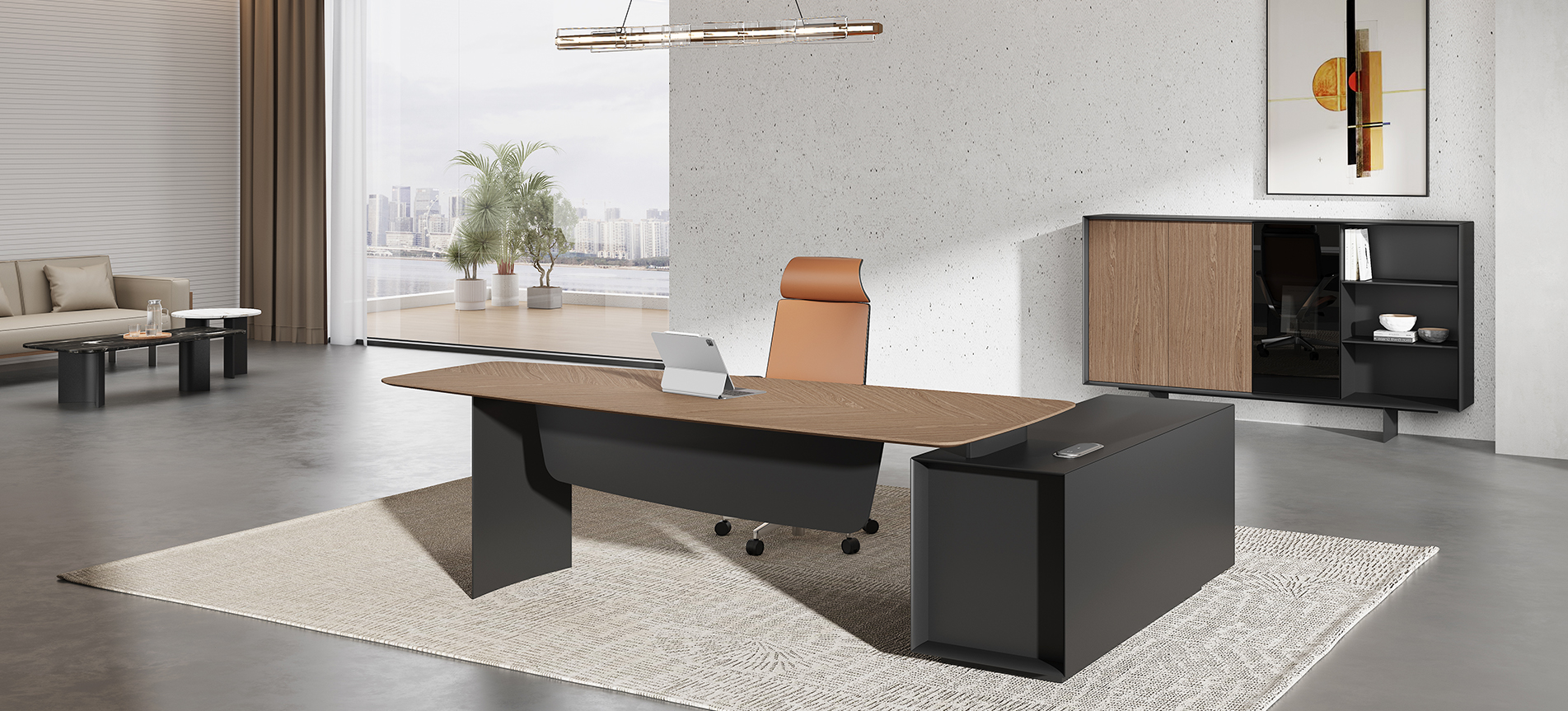
In modern office environments, conference tables serve as important places for business communication, and their design and layout directly affect the efficiency and atmosphere of meetings. Especially in the selection of large-sized conference tables, it is necessary to consider functionality, comfort, and aesthetics to create a space that is both suitable for discussion and can stimulate creativity. This article will explore the design concepts and layout techniques of large-sized conference tables.
1、 Design concept
Functional priority
The primary function of a large-sized conference table is to meet the needs of the meeting. When designing, it is necessary to consider its carrying capacity and ensure that each participant has sufficient space to record and discuss. At the same time, equipped with power sockets, data interfaces, and network connections can improve the efficiency of meetings and avoid wasting time due to equipment issues.
user-friendly design
The height, edges, and materials of the conference table should comply with the principles of ergonomics to improve comfort. Round or oval tables can promote interaction among participants and reduce alienation, while square or rectangular layouts are suitable for formal meetings and create a sense of hierarchy.
Aesthetics and brand image
The appearance design of the conference table should not only coordinate with the overall office style, but also reflect the corporate culture and brand image. Using high-quality materials such as solid wood, glass, etc. can enhance the sense of class in the conference room. In addition, reasonable color matching and texture design can increase visual appeal and create a good conference atmosphere.
2、 Layout skills
Reasonable spatial planning
When arranging large-sized conference tables, it is necessary to plan reasonably based on the actual area of the conference room. Ensure that there is sufficient space for participants to move around on the table, allowing for easy access and avoiding crowding. Moreover, ensuring that there is an appropriate distance between the table and the wall or other furniture is beneficial for sound propagation and visual communication.
Choose the appropriate table type
Choose table types based on different types of meeting needs. A circular table is suitable for small discussions or brainstorming, and can promote equal communication; A rectangular table is suitable for large formal meetings, speeches, and presentations. The table shape can be flexibly adjusted according to the nature of the meeting and the number of participants.
Equipped with multifunctional devices
On large-sized conference tables, in addition to basic conference facilities, multi-functional equipment such as whiteboards, projectors, sound systems, etc. can be considered to support different forms of conference needs. These devices should be cleverly integrated into the design to avoid desktop crowding.
The combination of lighting and sound system
Good lighting and sound effects have a significant impact on the atmosphere of a meeting. Lighting equipment with adjustable brightness should be selected to ensure visual comfort for attendees. In addition, the layout of the audio system should be evenly distributed to avoid poor sound effects that may affect the quality of the meeting.
Green plants and decoration
Placing some green plants in the conference room can not only beautify the environment, but also improve air quality and enhance participants' concentration. Meanwhile, appropriate decorations such as corporate logos or artworks can enhance brand image and create a positive conference atmosphere.
3、 Summary
The design and layout of large-sized conference tables is not a single choice, but a process that comprehensively considers multiple factors. By focusing on functionality, humanized design, aesthetics, and scientific layout techniques, the efficiency and quality of meetings can be effectively improved, making them an important platform for communication and decision-making in enterprises. In the future office environment, meeting spaces that combine innovation and comfort will become an important factor for enterprises to enhance their competitiveness.