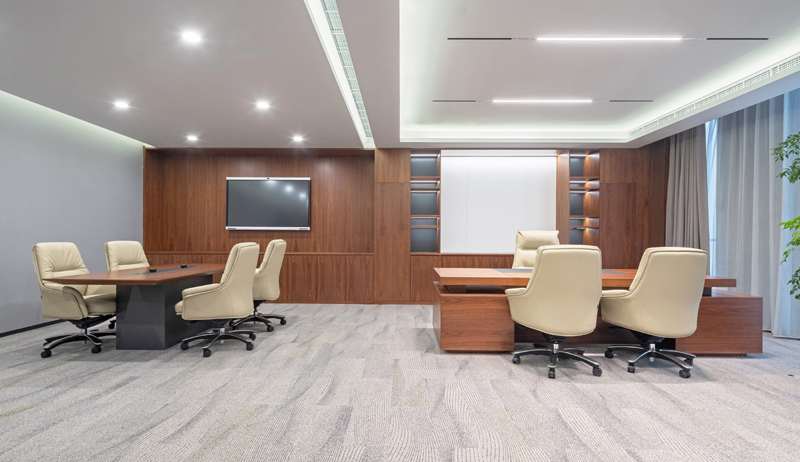

Design and Selection of Extra-Large Conference Tables Suitable for Large Meetings In the operation of modern enterprises, large conference rooms play a crucial role as important venues for team collaboration and decision-making. As the core element of the conference room, the design and selection of extra-large conference tables directly affect the effectiveness of meetings and the experience of participants. This article will explore the design concepts and selection criteria of extra-large conference tables suitable for large meetings, in order to help enterprises create an efficient and comfortable meeting environment.
I. Design Concept: Functionality and Flexibility A super-large conference table should not only fulfill the basic functions of a meeting but also exhibit flexibility. With an adjustable tabletop design and modular spatial layout, it can be adjusted according to the needs of meetings of different sizes and formats, achieving optimal space utilization.
Comfort and Humanization: The comfort level of meeting participants is a crucial factor affecting the effectiveness of meetings. During design, it is necessary to consider the height of the table, the smoothness of the edges, and the selection of chairs to ensure that participants can remain comfortable for extended periods without experiencing fatigue. Additionally, providing ample legroom and an appropriate table width are also essential considerations.
Technology integration: Modern meetings are increasingly reliant on technology. Extra-large conference tables should be equipped with modern amenities such as power outlets, data ports, and sound systems to facilitate multimedia presentations and real-time interaction among participants. Additionally, built-in screens or projection equipment can enhance the interactivity and visual appeal of the meeting.
Aesthetics and Brand Image The appearance design of the conference table should align with the overall image of the company, reflecting the brand's culture and values. Whether it's the choice of materials, color matching, or shape design, all should be carefully considered to enhance the professional image of the company.
II. Selection of Standard Size and CapacityThe selection of a super-sized conference table should first be determined based on the size of the conference room and the number of participants. Generally, a super-sized conference table suitable for 10-20 people is about 3 to 5 meters long, while a table capable of accommodating more than 30 people should be over 5 meters long. Ensure that the conference table maintains a reasonable proportion in the meeting venue, avoiding overcrowding or appearing empty.
Material and Durability The material of the tabletop has a significant impact on the lifespan and maintenance costs of the conference table. Common materials include solid wood, glass, metal, and synthetic materials. Choosing materials that are wear-resistant, easy to clean, and environmentally friendly can effectively enhance the durability and user experience of the conference table.
Supporting Facilities When selecting a conference table, the configuration of supporting facilities is also crucial. These include adjustable chairs, sufficient power outlets, Wi-Fi access, and projector interfaces. These facilities not only enhance the convenience of meetings but also cater to the needs of various meeting formats.
Budget and cost-effectiveness When purchasing a super-large conference table, budget is inevitably an important consideration. Enterprises need to combine their own economic conditions and actual needs to choose a product with high cost-effectiveness. At the same time, when making the selection, they should also pay attention to after-sales service and warranty period to prevent any issues during use.
III. Summary: The ultra-large conference table is an indispensable and crucial component in large corporate meetings. Its design and selection directly impact the efficiency of the meeting and the experience of the participants. By focusing on design concepts such as functionality, comfort, technology integration, and aesthetics, as well as selection criteria such as size, material, supporting facilities, and budget, companies can create an efficient, comfortable, and brand-image-enhancing meeting environment for large meetings. With the development of technology and changes in work methods, continuous adaptive design and innovation are necessary to continuously enhance the value and effectiveness of meetings.