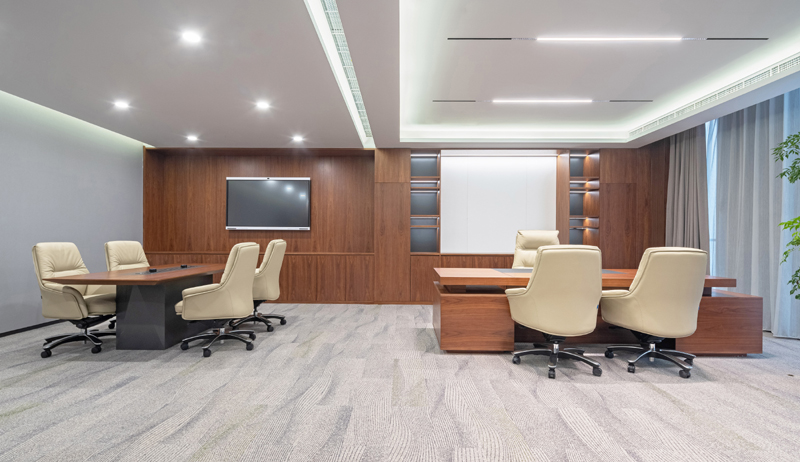

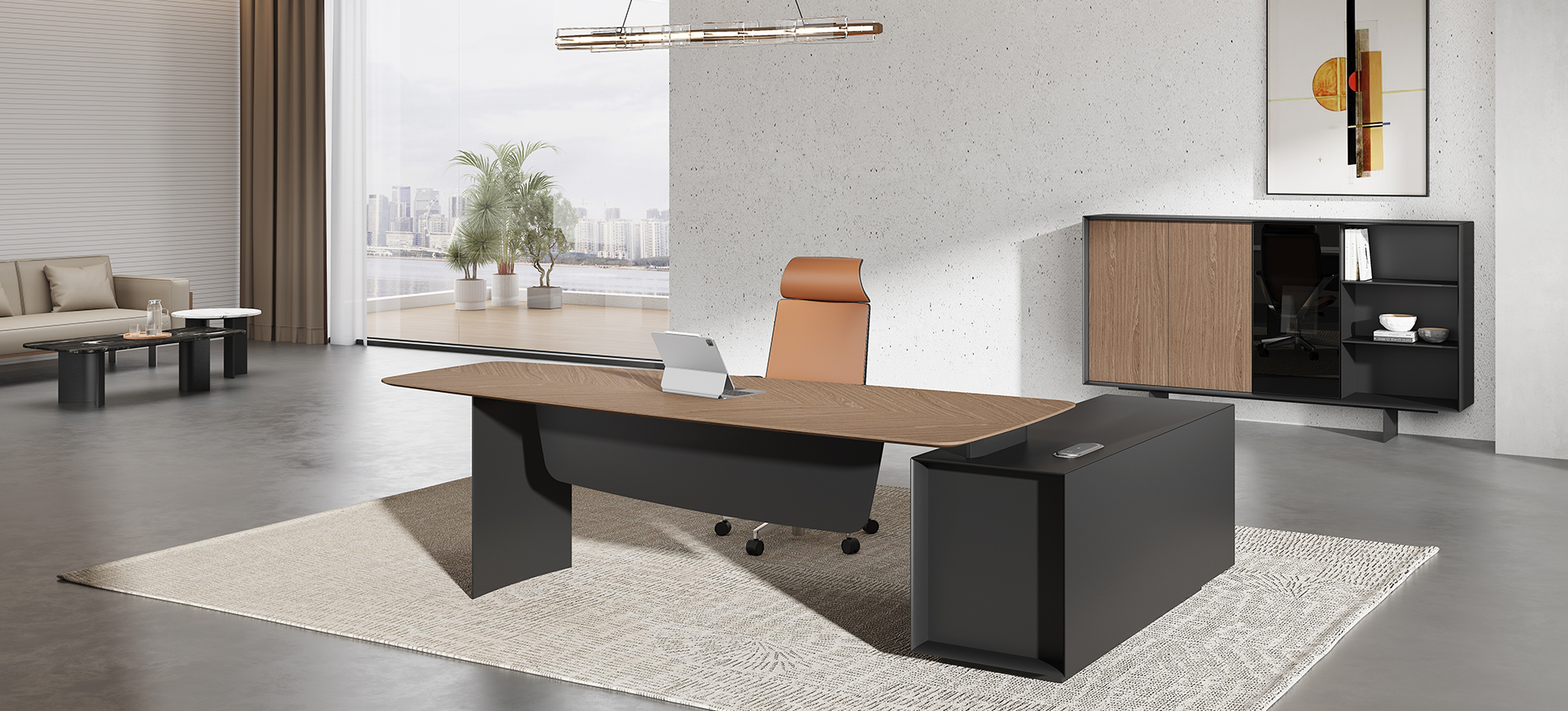
In the operation of modern enterprises, the selection of interior and equipment in conference rooms is particularly important as they serve as important venues for coordinating teams, discussing projects, and driving decisions. Especially the customization of oversized conference tables is not only about filling the physical space, but also a reflection of corporate culture and functional requirements. This article will explore the customization process of ultra large conference tables and conduct user demand research and analysis.
1、 The Importance of User Needs Research
User demand research is the first step in the process of customizing a large conference table. Effective research can help designers and manufacturers better understand customers' specific needs, including functional requirements, design styles, and budget constraints. Research methods can include questionnaire surveys, interviews, on-site observations, etc. These methods can help collect users' actual usage needs for the conference table, such as the number of seats, shape, material, color, and additional features.
2、 Development of design concepts
After obtaining user requirements, the design team will conduct data analysis to summarize the design elements and features that users prefer. For example, some companies may prefer rectangular conference tables, which are suitable for situations with a large number of attendees, while other companies may prefer circular conference tables to create a more friendly discussion atmosphere. In addition, in terms of material selection, users may prefer environmentally friendly materials or high-end solid wood materials, which not only affects the appearance of the conference table, but also relates to the overall atmosphere of the conference room.
3、 Balance between style and functionality
The balance between style and functionality is crucial in the design of a large conference table. The design of the conference table needs to be in line with the brand image of the enterprise, while also having good practicality. Designers need to consider the layout of various equipment interfaces and power sockets required during the conference process, leaving appropriate space for the placement of audiovisual equipment. In addition, the height, width, and depth of the conference table also need to be optimized to meet the comfort and convenience of users during use.
4、 Implementation of customized process
Once the design scheme is determined, the manufacturing team will begin to supervise the production process. The production of oversized conference tables involves multiple process steps, including material cutting, forming, polishing, and final assembly. The process of customizing furniture often faces some challenges, such as the supply cycle of materials, control of production time, etc. Therefore, communication and feedback with customers are particularly important. At each stage of production, the design team and manufacturing team need to maintain close collaboration to ensure that the final product conforms to the initial design concept.
5、 User feedback and after-sales service
After the customization and delivery of the oversized conference table, user feedback is also very important. By collecting actual experiences after use, companies can further optimize their products and services. For example, users may provide feedback on the durability, ease of cleaning, and coordination with other furniture in the conference room of the conference table. Enterprises can iterate and improve their products based on these feedbacks, while establishing a good after-sales service system to ensure that users can receive timely solutions to problems encountered during use.
ending
The customization process of the super large conference table covers multiple stages from user demand research to design implementation, and then to user feedback. In this process, enterprises should not only focus on the functionality and aesthetics of their products, but also pay attention to continuous communication and trust building with customers. Only by deeply understanding user needs and adopting a scientific customization process can we gain an advantage in fierce market competition and improve customer satisfaction.